

The Longevity Lens
Expert insights on health and beauty for every stage of your life.
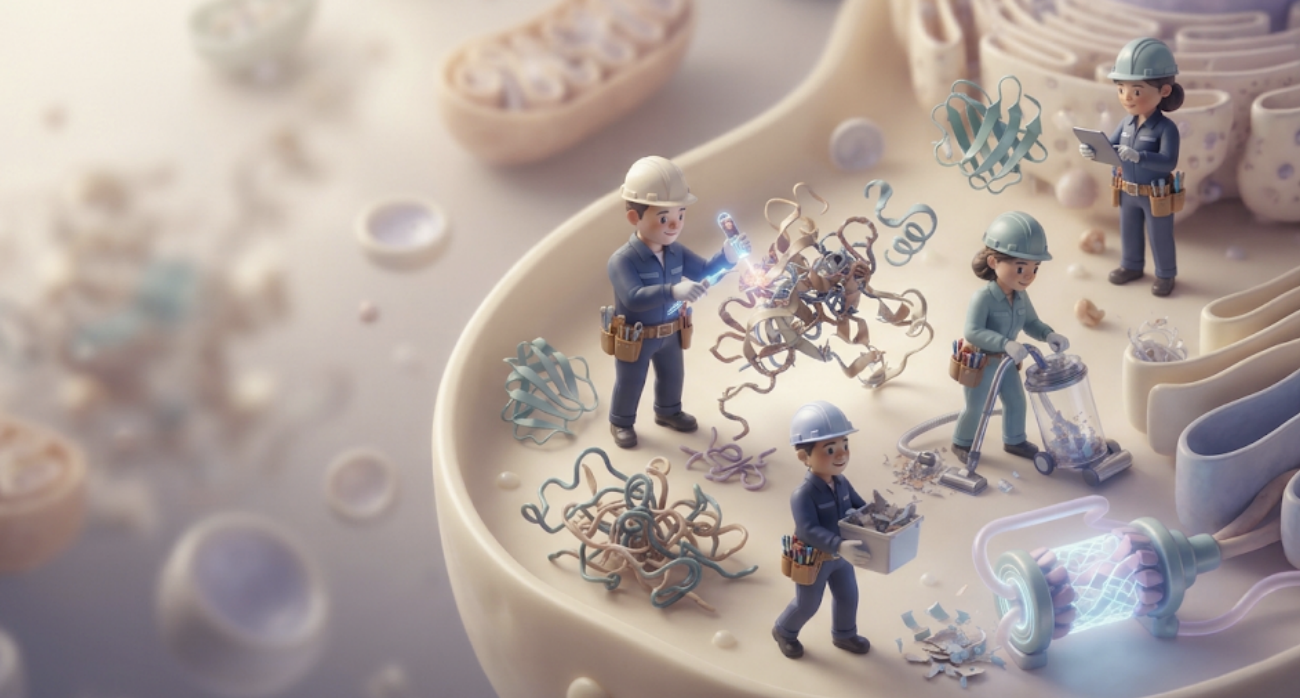
Your Cells Have a Cleanup Crew
Hallmark of Aging #4: Loss of Proteostasis
Every cell in our bodies depend on proteins to function. They build structures, carry messages, regulate
chemical reactions, and help repair tissue. But proteins must fold into precise shapes to do their jobs. When
they become damaged or misfolded, they can stop working properly.

Three Hallmarks, One Practical Takeaway
Over the past three issues, we have explored the first three hallmarks in this series: genomic instability,
telomere attrition, and epigenetic alterations.
They sound technical, but each tells part of the same story.

Our Health Is Shaped by Patterns, Not Perfect Days
Hallmark of Aging #3: Epigenetic Alterations
Some good news: one late night, stressful week, skipped workout, or celebratory meal does not define our
health. Patterns matter far more.

Our Chromosomes Have Protective Caps. They Wear Down.
Every time many of our cells divide, they must copy their DNA. But the ends of linear chromosomes cannot be
copied perfectly each time.
Telomeres protect those ends, much like the tips of shoelaces. They help keep chromosomes from fraying or
being mistaken for broken DNA.

Your DNA’s Repair Systems Have Limits
Our DNA is under repair all the time. Every day, normal metabolism, ultraviolet light, tobacco smoke, alcohol
metabolism, and other exposures can damage it. Most of the time, our cells recognize that damage and repair
it before it causes a problem.

Your Body Isn’t Just Aging. It’s Changing in 14 Ways at Once.
If you have ever thought, “I’m doing the same things I used to do, so why don’t I feel like myself?”—this series
is for you.
For most of medical history, aging looked like one long, blurry decline: you got older, things wore out, and the
best advice anyone could offer was to eat well, move your body, and hope for good genes.
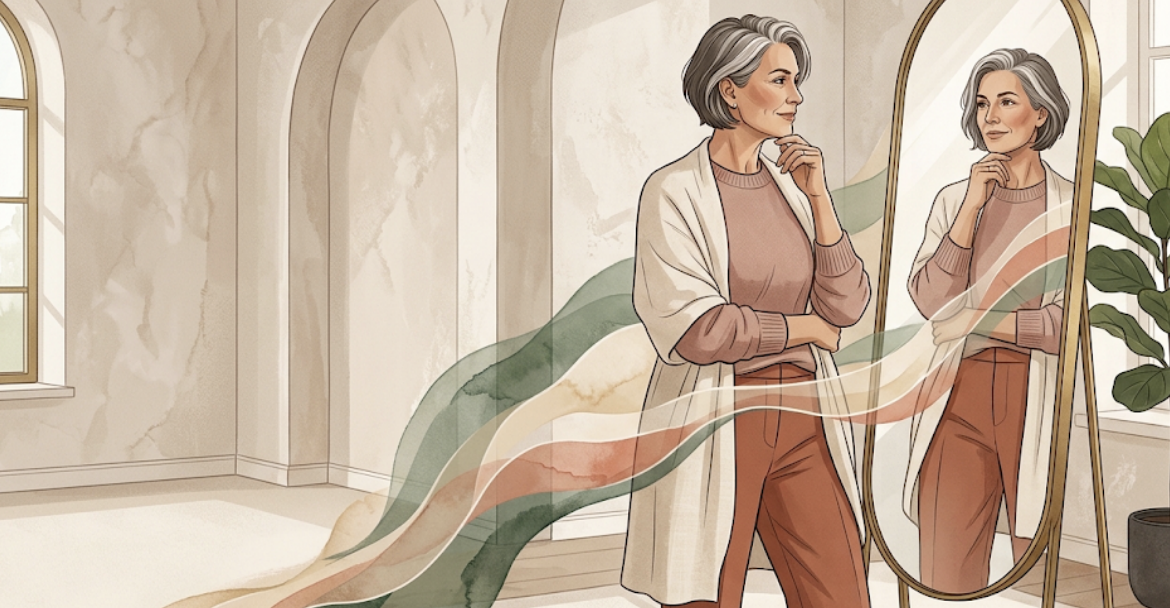
When Your Body Feels (and Looks) Different inMidlife
“I’m doing the same things I’ve always done, but my body isn’t responding in the same way.”
We hear this often from women in midlife: unexplained weight gain, a softer midsection, stubborn fat despite
familiar healthy habits. It is frustrating—and it deserves more than “eat less and move more.”
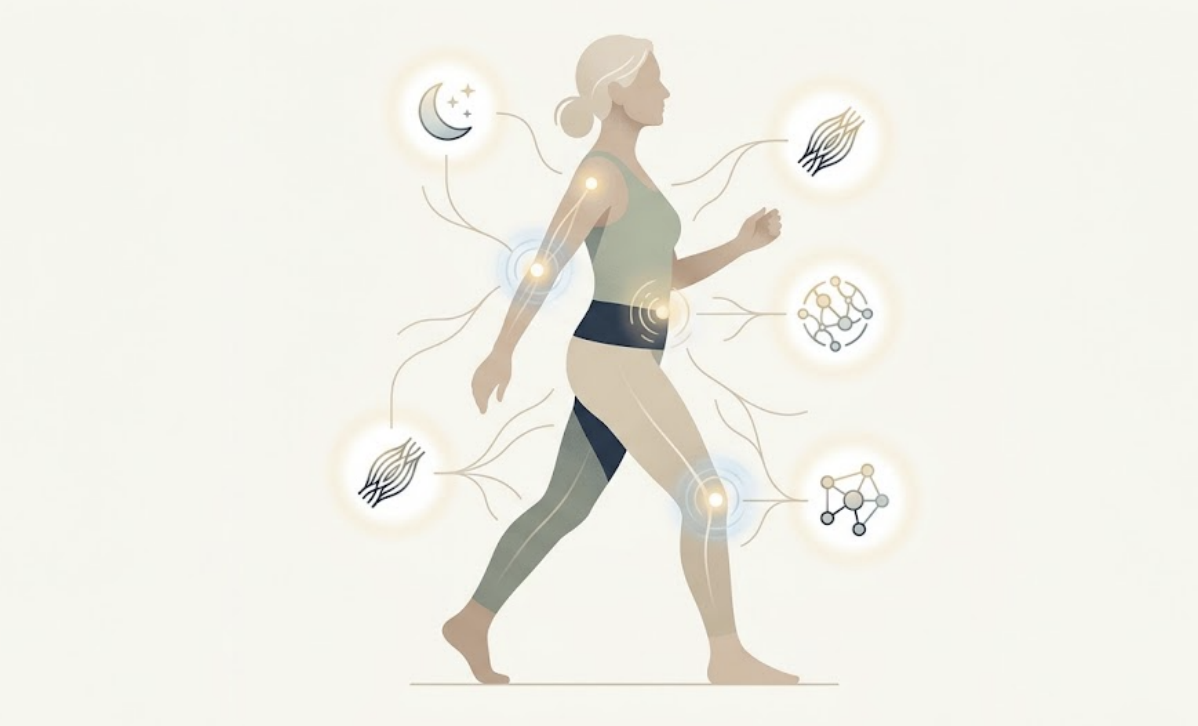
The Quiet Fire That Can Shape How You Age
Inflammation is not always a bad thing.
When you cut your finger, fight an infection, or recover from a workout, inflammation is part of your body’s
repair process.
The concern is when that signal never fully turns off.

Your Bones Are Listening, Too
When we talk about aging well, we often focus on energy, weight, or hormones. But another system is quietly
shaping your future independence: your bones.
Bone is not static. It is living tissue, constantly remodeling in response to the signals you send it.

Hormones Are Messengers—But Is Anyone Listening?
When most people think about hormones, they think about levels. Too low. Too high. Time to replace them.
But here’s a different way to think about it.

Hormone Therapy Is Only Part of the Answer
One of the biggest misconceptions I hear is that successful hormone therapy is about finding the “right”
hormone.
In reality, it’s about finding the right treatment strategy.

Before You Blame Aging, Let’s Look at Your Hormones
If your energy is lower, your sleep is lighter, your body composition is shifting, and your focus isn’t as sharp—you might be told this is just “aging.”
But that explanation is incomplete.
For both men and women—especially in midlife—these changes are often driven by shifting hormones.
Hormones regulate metabolism, muscle, brain function, and how your body processes fuel. As estrogen, progesterone, and testosterone change over time, it’s easier to gain visceral fat, lose muscle, and feel persistently “off.”
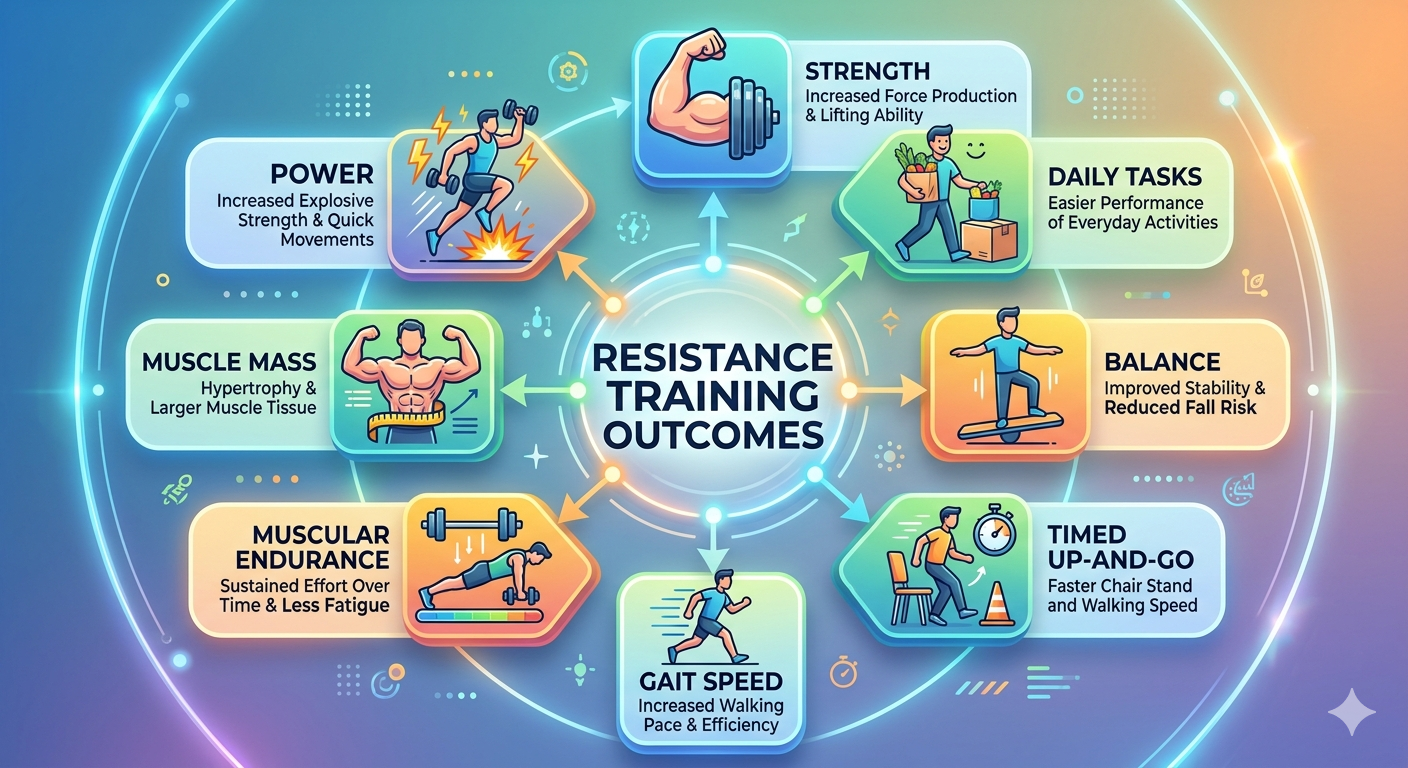
The New Rules of Strength (They’re Simpler Than You Think)
If there’s one takeaway from the latest American College of Sports Medicine (ACSM) guidelines on resistance training for healthy adults, it’s this: doing some resistance training is far more important than doing it perfectly.
Drawing from over 100 reviews and tens of thousands of participants, the update confirms that lifting weights—consistently—is one of the most powerful tools for improving strength, muscle, metabolic health, and even longevity.

Why Body Composition Is Your Ultimate Longevity Strategy
If you want to live longer and stay strong, body composition matters more than the number on the scale. The ratio of muscle to fat—especially visceral fat stored around your organs—has a powerful impact on metabolic health, mobility, and long-term disease risk. More muscle and less visceral fat create a foundation for resilience as you age.

Why Midlife Changes the Rules of Metabolic Health
Many women reach midlife feeling frustrated by a body that suddenly seems unfamiliar.
The habits that once worked no longer produce the same results. Energy feels lower. Sleep becomes lighter. Recovery slows.

Your Skin is Hormonal, Not Just Cosmetic
When most people think about skin aging, they think about wrinkles.
But medically, what’s happening goes much deeper.
What we often call “aging skin” is actually dermal atrophy—a gradual thinning and weakening of the skin’s structure. And one of the biggest drivers of this process isn’t skincare.

Before You Blame Aging, Let’s Look at Your Hormones
If your energy is lower, your sleep is lighter, your body composition is shifting, and your focus isn’t as sharp—you might be told this is just “aging.”
But that explanation is incomplete.

Your Body Is Integrated—But Most Healthcare Isn’t.
Many women in midlife start to feel like their body has become a collection of separate problems: brain fog, poor sleep, weight gain, joint aches, fatigue, bloating, anxiety, loss of muscle, rising cholesterol, urinary changes, and low libido.

The Missing Story About Midlife Weight Gain
Many women reach midlife feeling frustrated by a body that no longer responds the way it once did.
The habits that worked for years suddenly stop working. Weight accumulates more easily around the abdomen. Muscle seems harder to maintain. Energy feels lower. Recovery takes longer.
The common explanation is simple: eat less and move more.
But that explanation often misses what is actually changing.

The Real Goal of Hormone Therapy
One of the biggest misconceptions about hormone therapy is that it’s simply about replacing hormones.
In reality, the goal is much bigger than that.
The goal is helping people maintain their energy, strength, vitality, sleep, mental clarity, and quality of life as they age.